Our approach
Every garden begins with a particular client, a particular place, and the possibilities between them. We explore what is there and what might be, resolve the strongest ideas with rigour, and remain involved as they become real. Because a garden is never truly finished, we can return as it grows, settles and changes.
Exploring → Resolving → Realising → Returning
Exploring
Every project begins by looking closely at the client, the place and the possibilities between them.
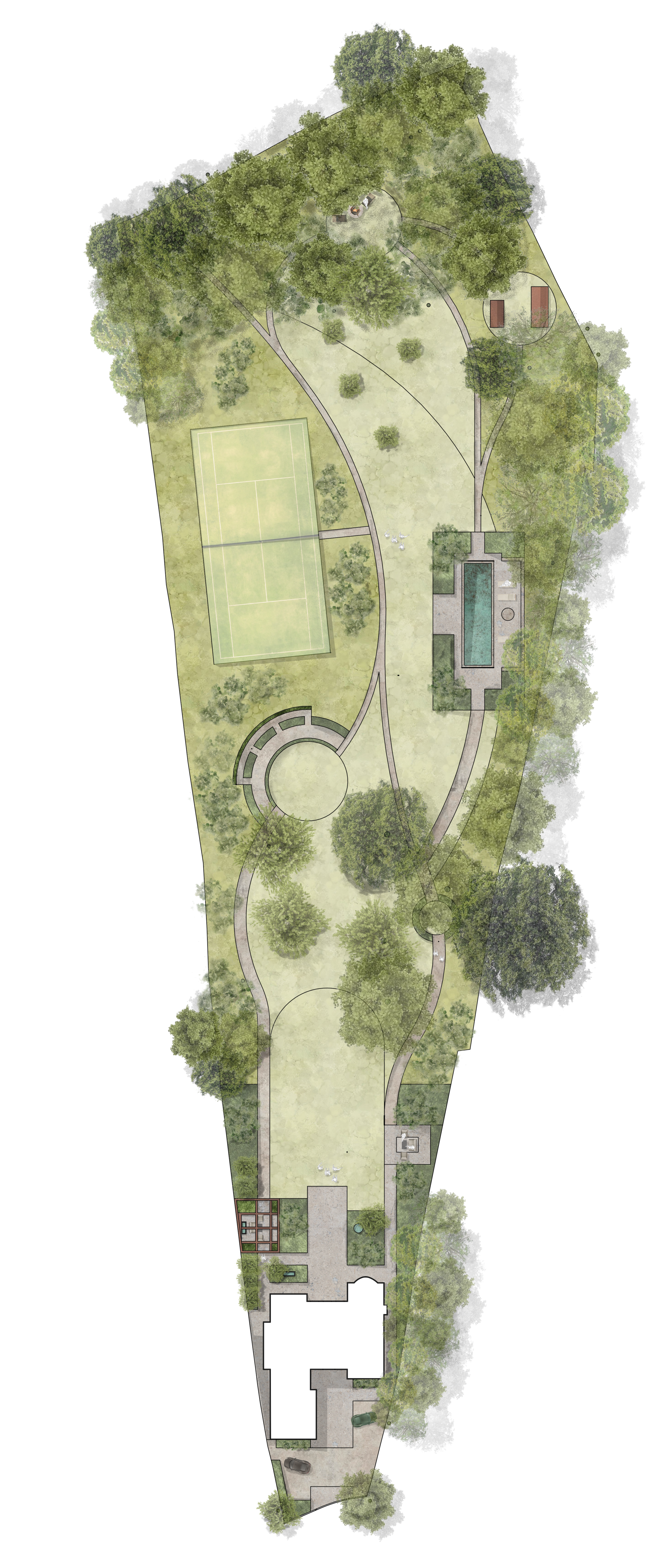
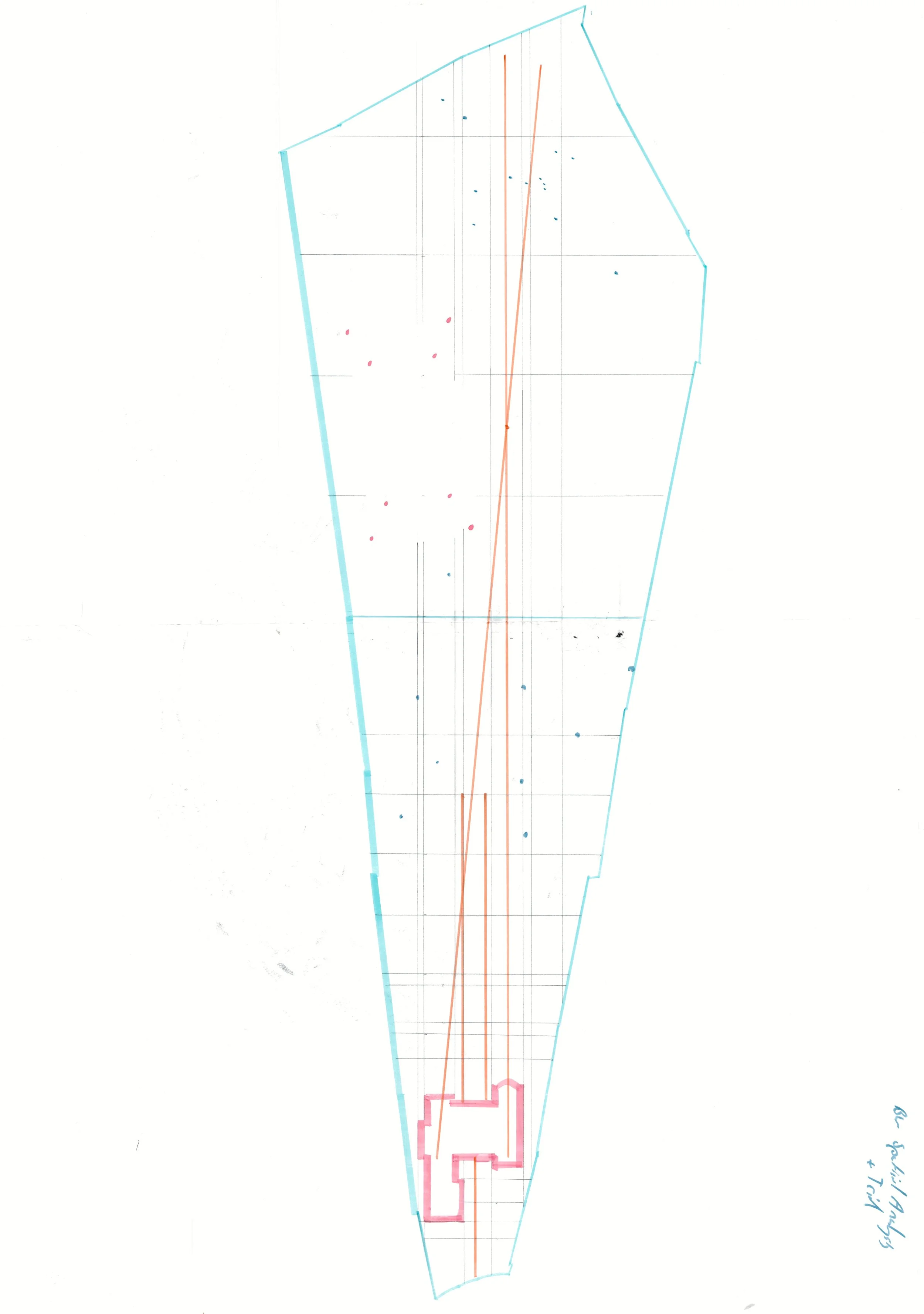
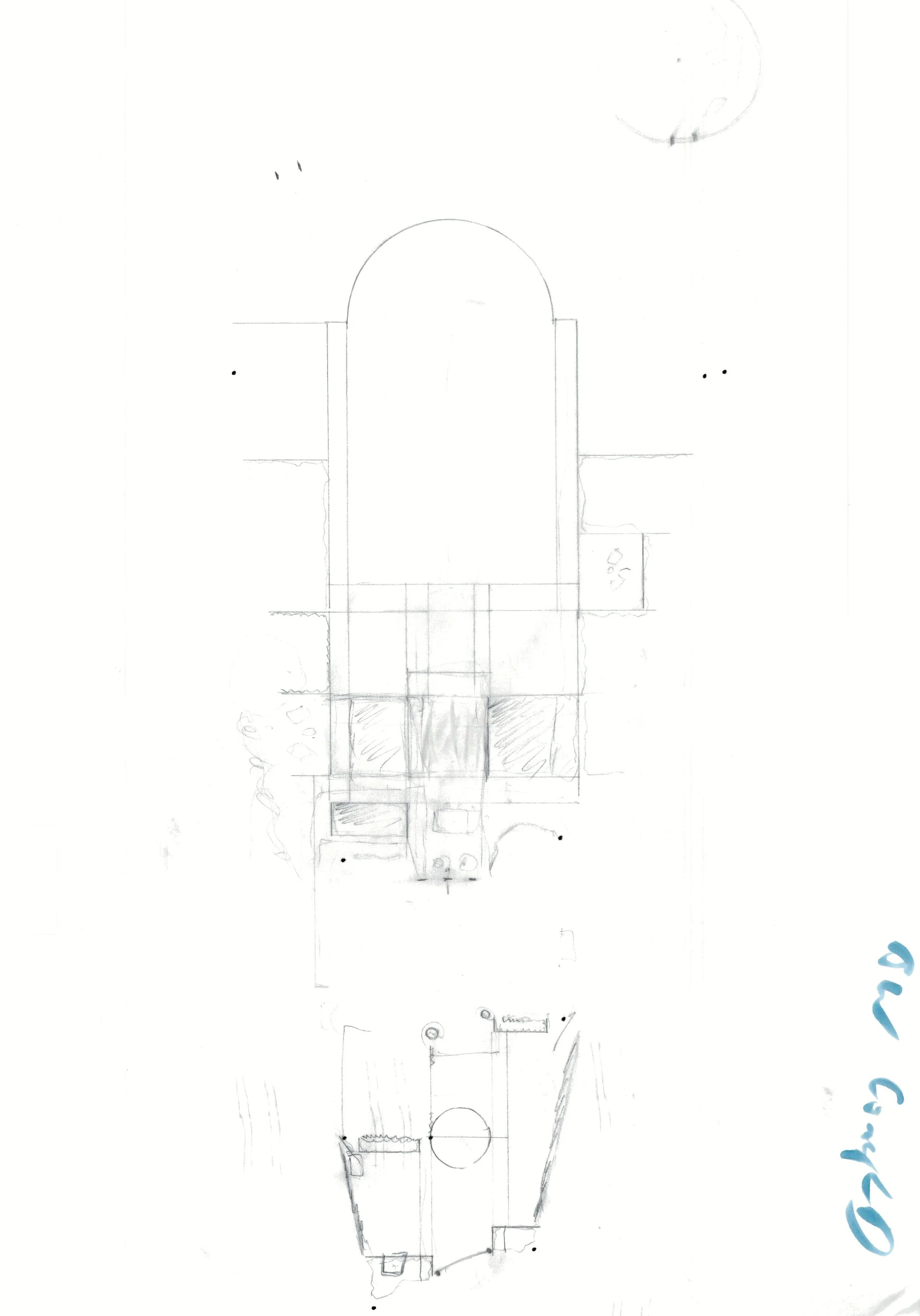
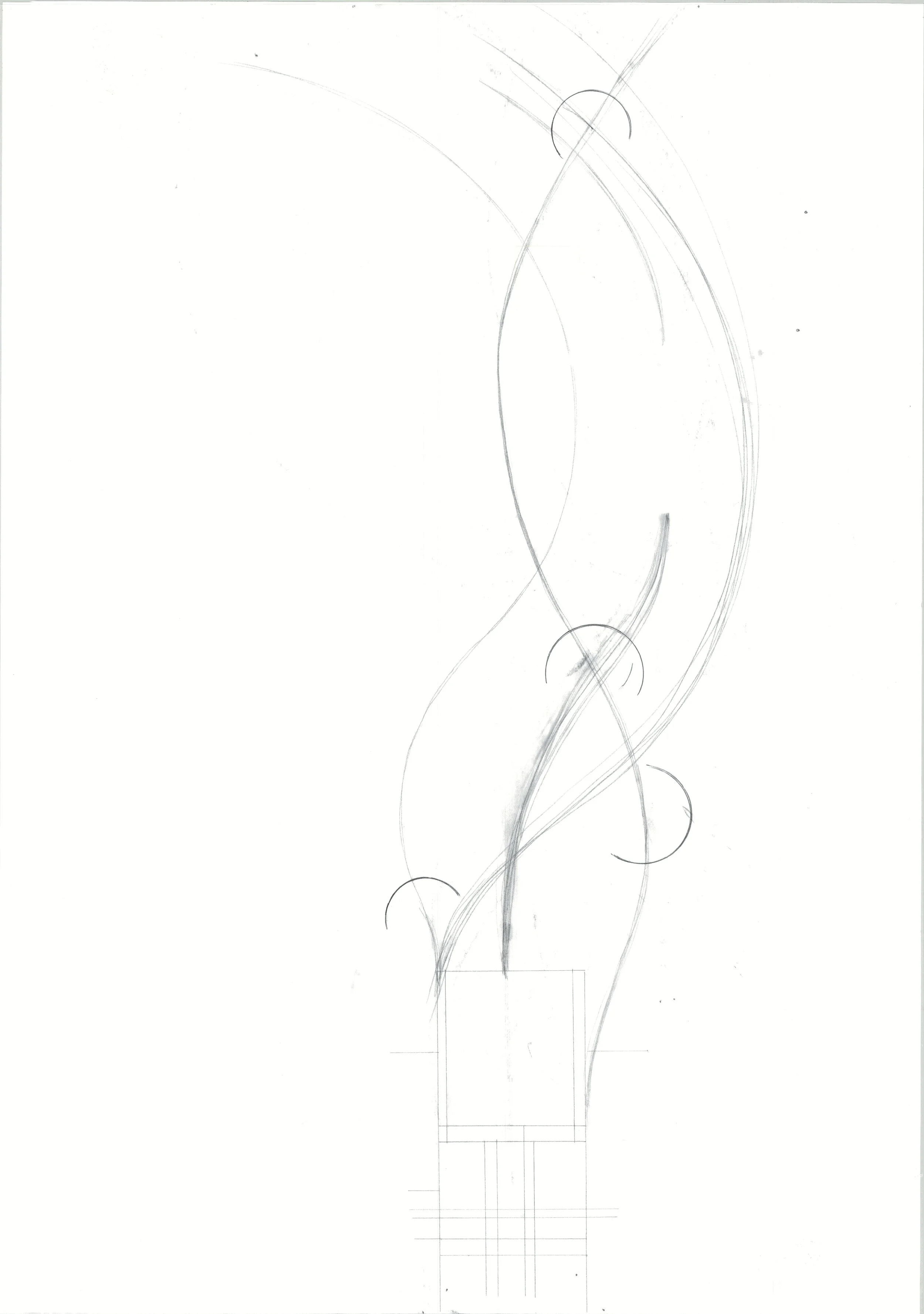
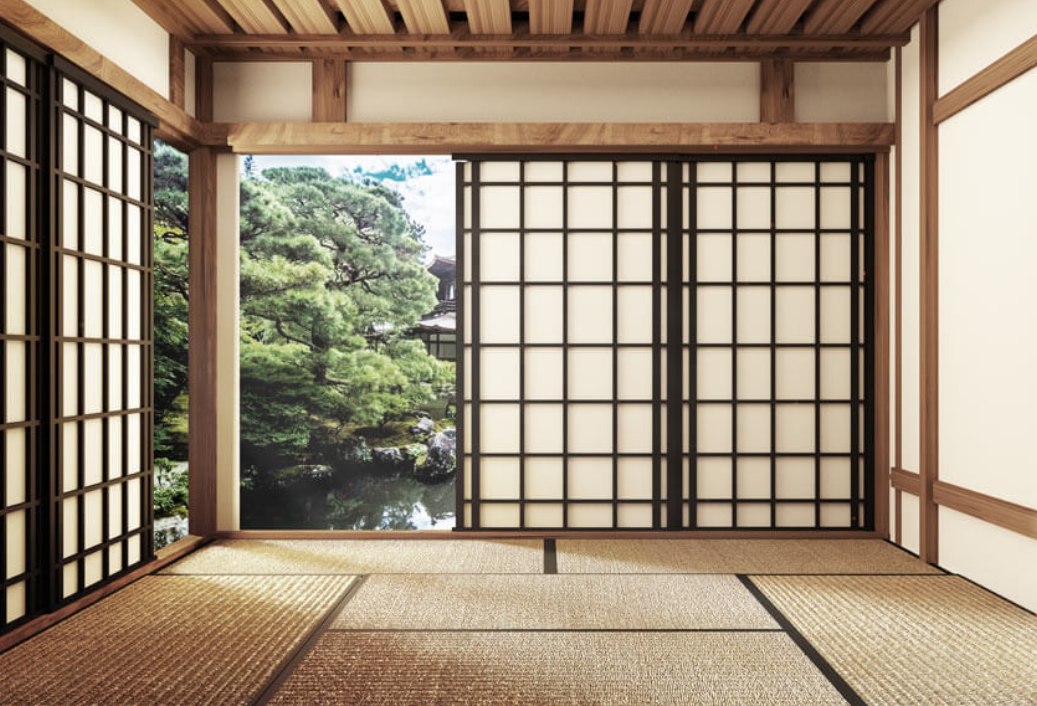
The Concept Phase is an enjoyable period of discovery: a chance to explore how you want to live in the garden, what the site already does well, and what it might become. We study its architecture, topography, atmosphere and existing character, while testing ideas through sketches, references and spatial studies.
This process helps us make the most of the site’s inherent strengths while identifying constraints to be mitigated early It also gives you the opportunity to explore, question and learn alongside us as the design takes shape.
The result is a clear and compelling vision grounded in the realities of the place — something to feel excited by, but also something that can be developed with confidence into a coherent masterplan and, ultimately, a real garden.
What deliverables this stage may include
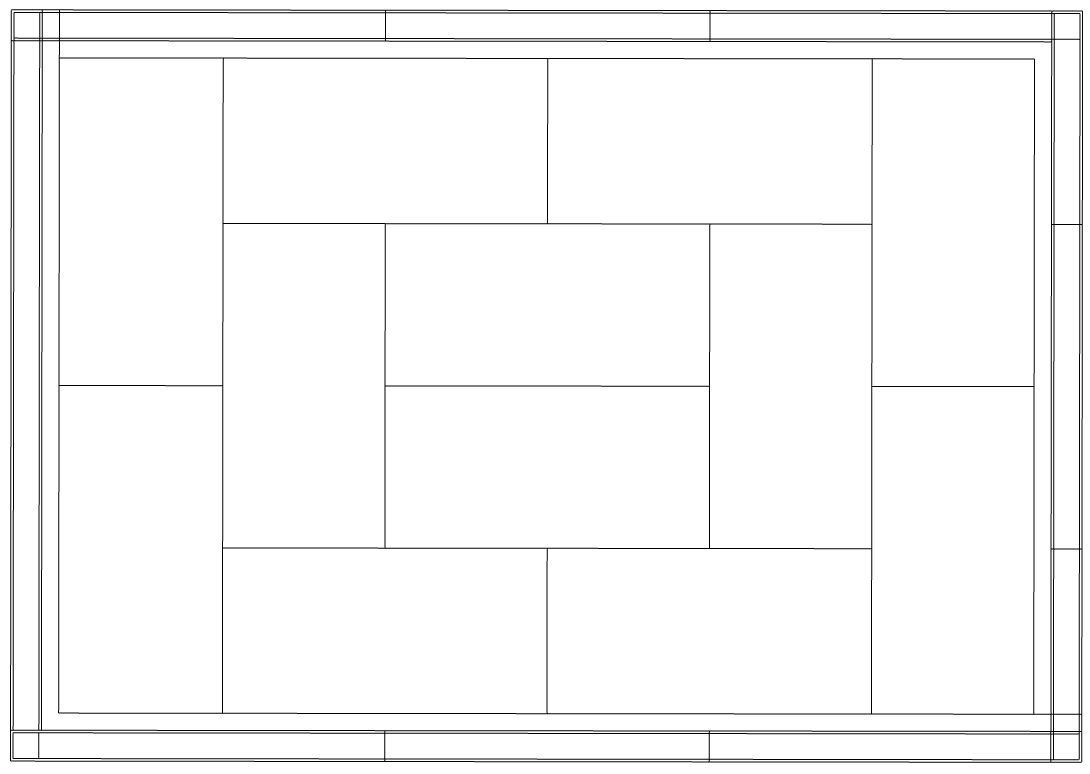
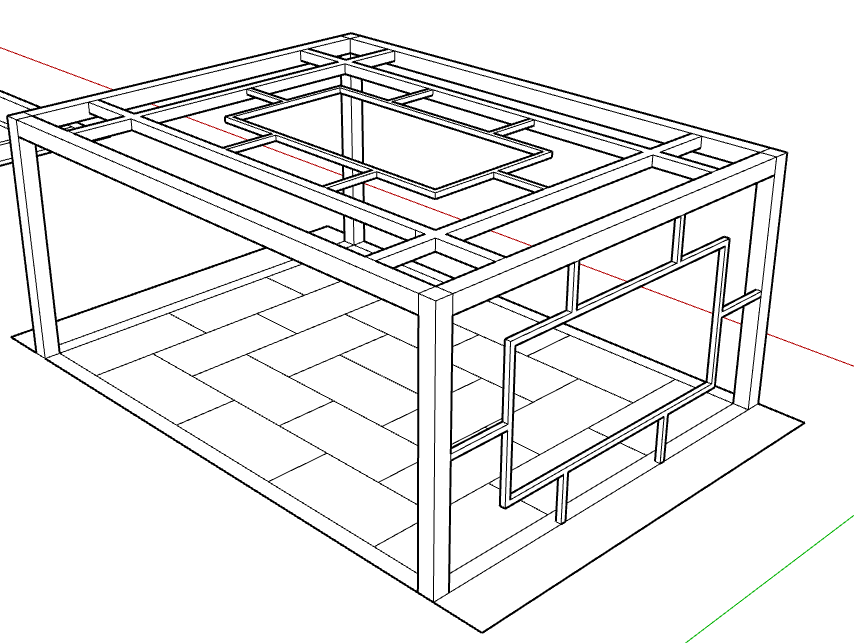
Site analysis, visual brief, concept sketches, perspective studies, feature and material references, and the final masterplan.
Resolving
Once the overall direction is established, the design enters a second phase which balances technical rigour with creative development.
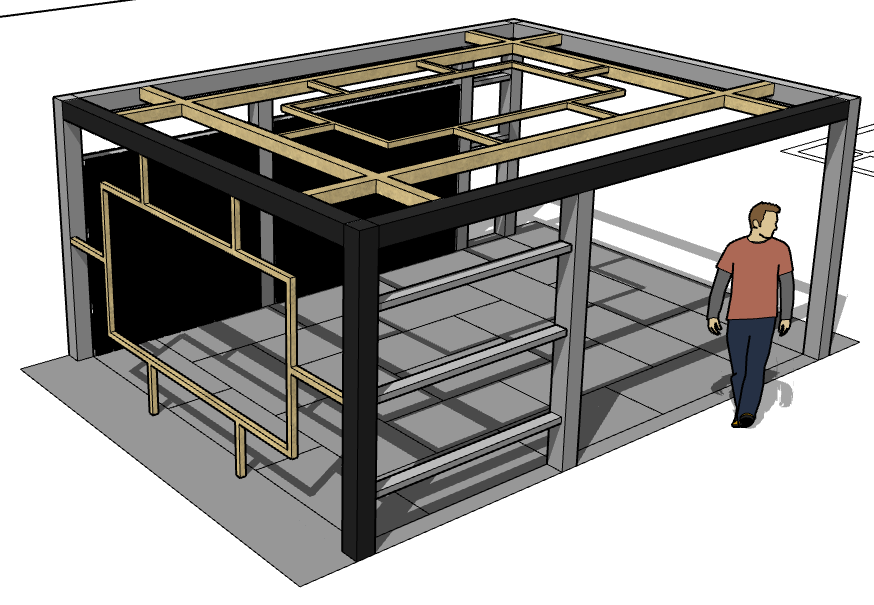
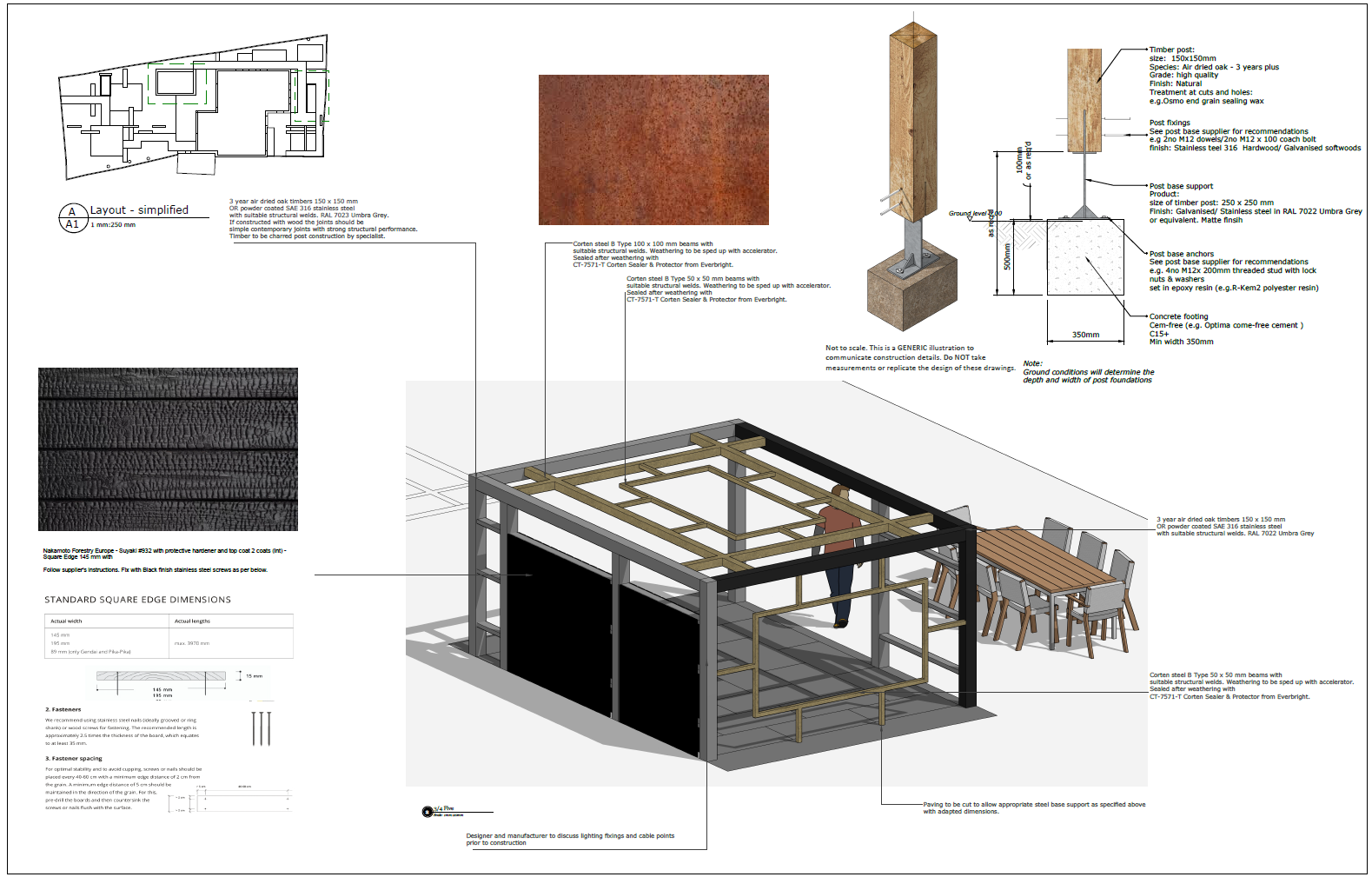
The Detailing Phase is where the character of the garden is pushed further and made unmistakably its own. Materials, planting, bespoke features, furniture and crafted elements are developed in depth — not simply to complete the masterplan, but to give the garden its atmosphere, utility and unique expression.
This is often where some of the most distinctive ideas emerge. A bespoke feature, a piece of furniture, a pool edge, a planting composition or a specially made element can become one of the defining features of the whole project. We work with specialist consultants, craftspeople and makers where their expertise can extend what is possible and help realise ideas with greater precision.
At the same time, the design is tested against practical reality: how it will be built, how it will age, what it will cost, and which decisions matter most. This allows implementation choices to be prioritised intelligently and gives contractors the information they need to price and build the work accurately.
The result is a design with both creative boldness and technical depth — distinctive in its details, durable in its construction, and ready to be realised without losing the qualities that made it worth pursuing.
What this stage may include
Planting plans, materials schedules, design detailing drawings, furniture and equipment schedules, bespoke features, specialist coordination and technical information for pricing and implementation.
Realising
As the design moves from paper into the landscape, the priority becomes protecting its intent while responding intelligently to the realities of construction.
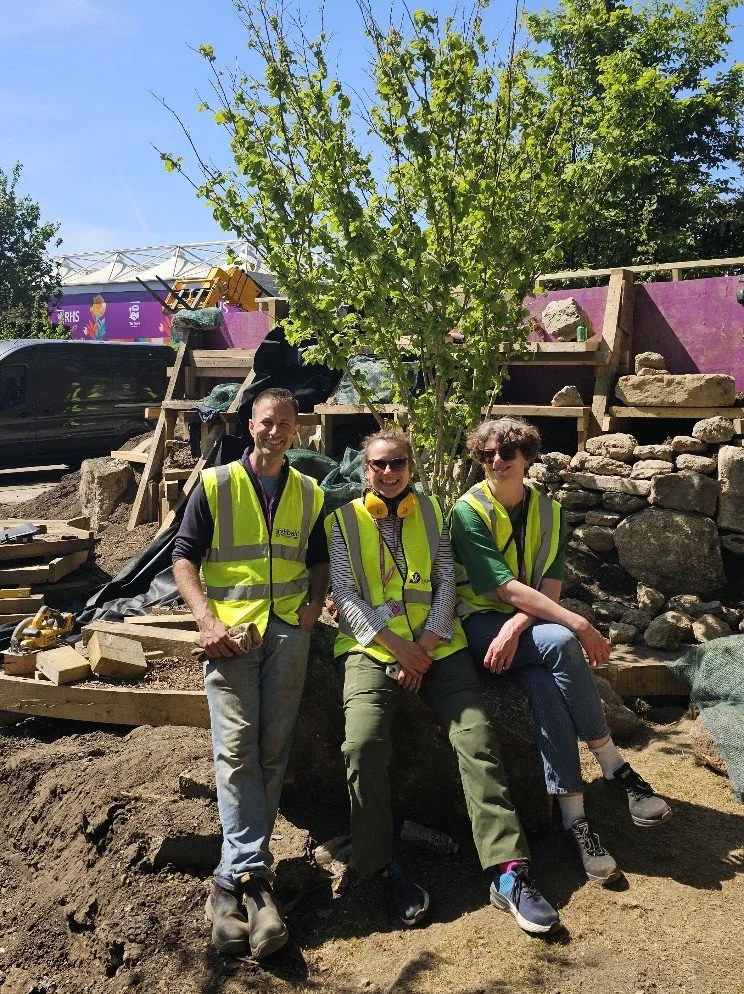
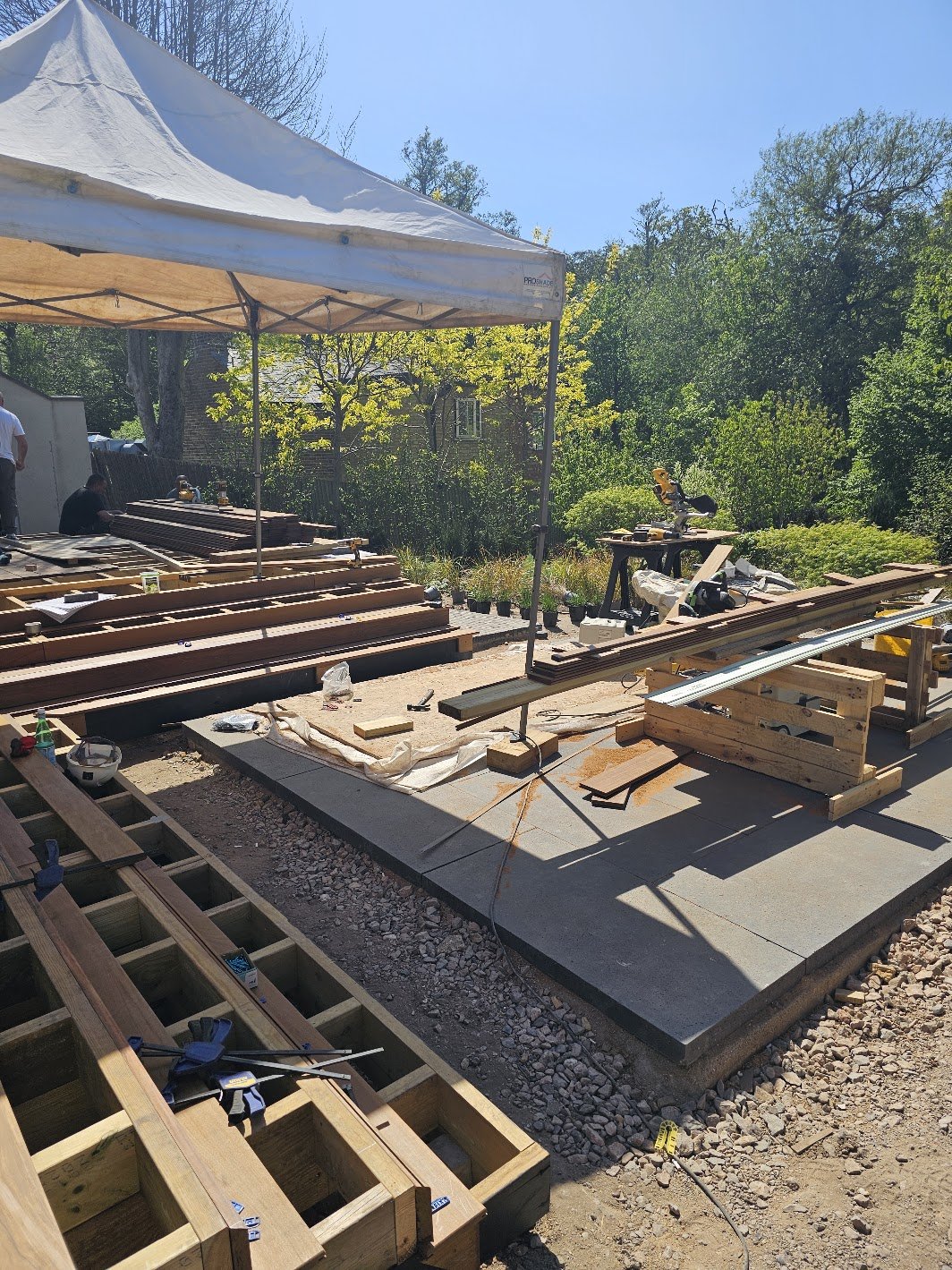
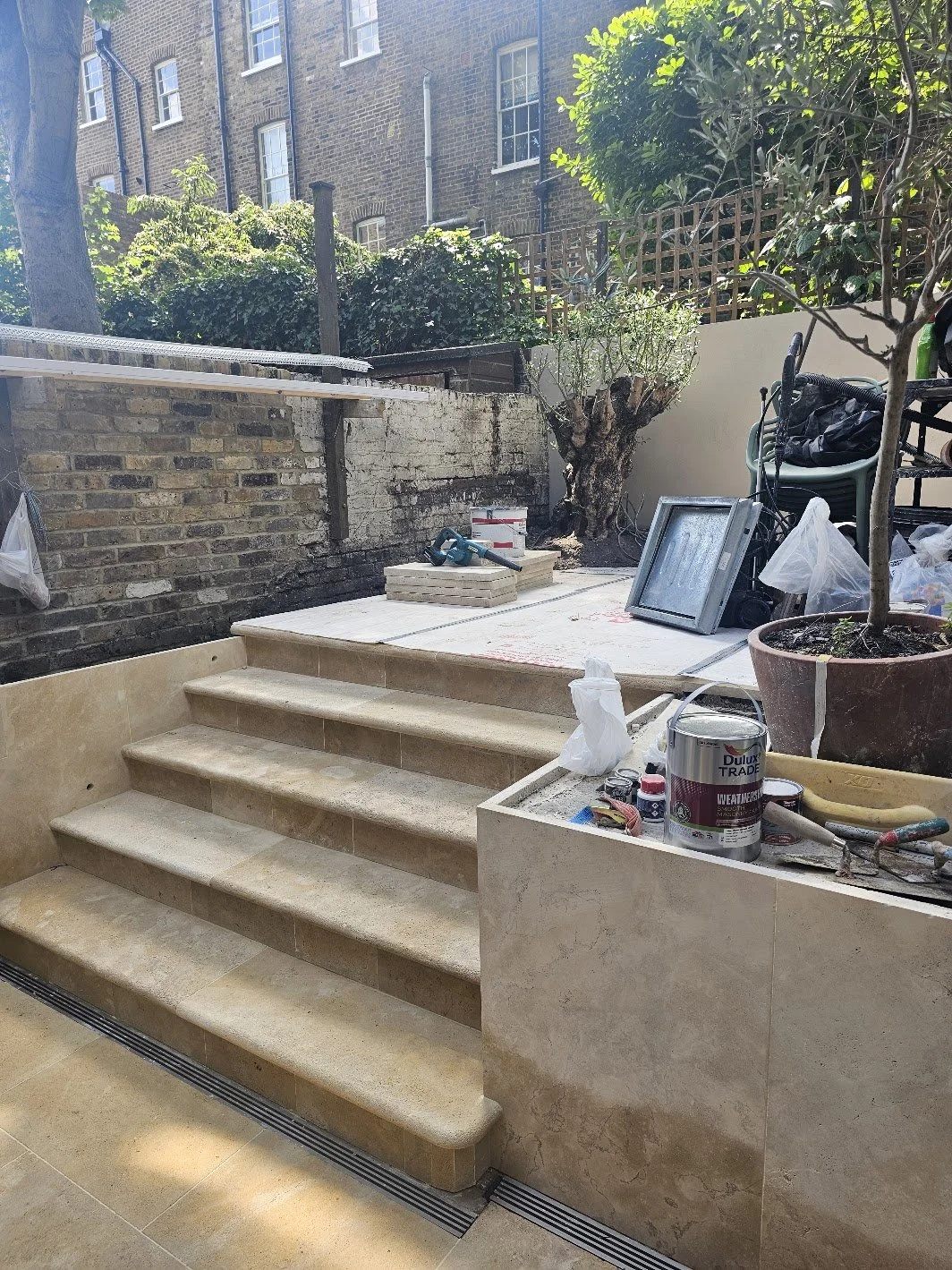
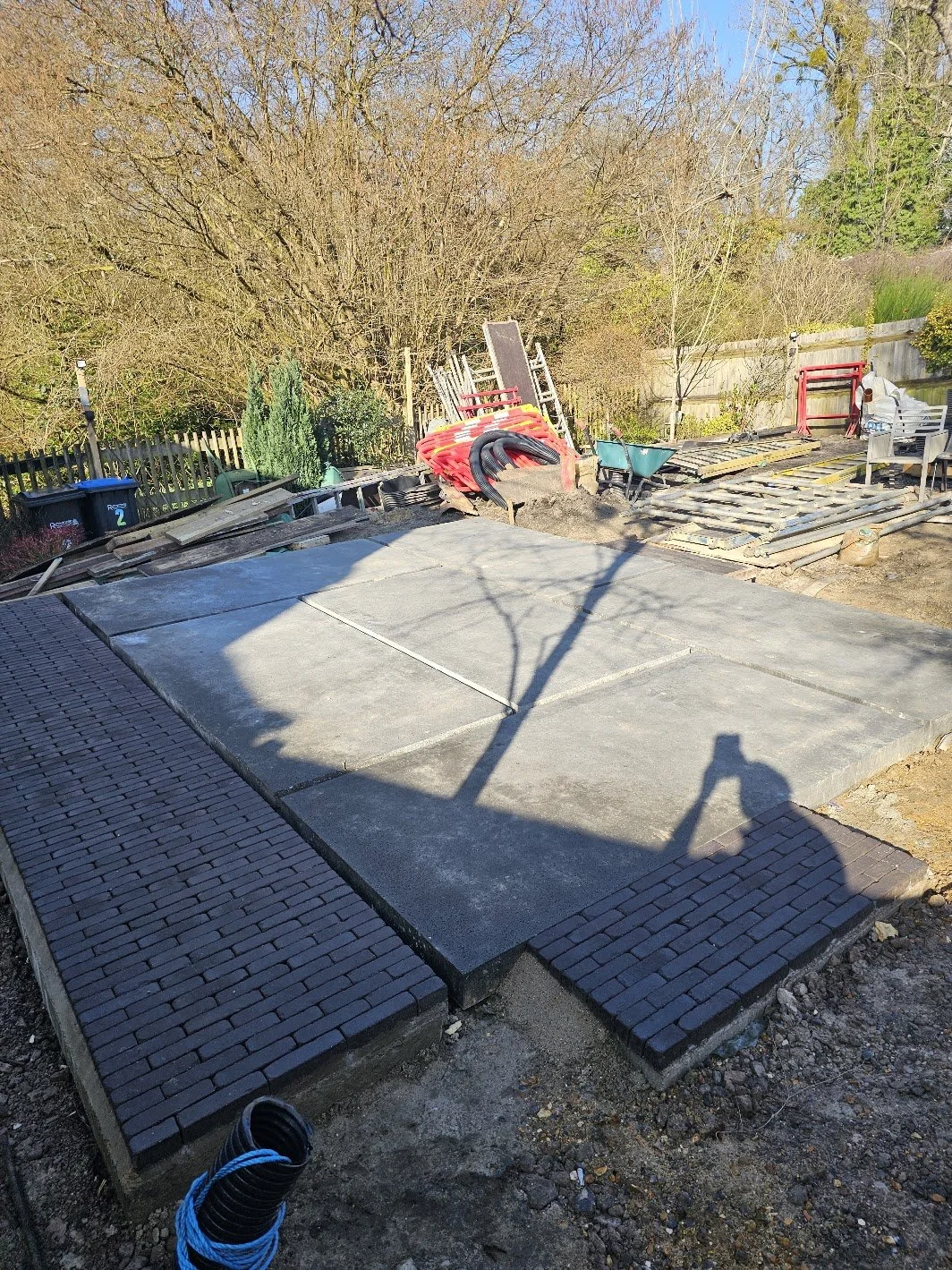
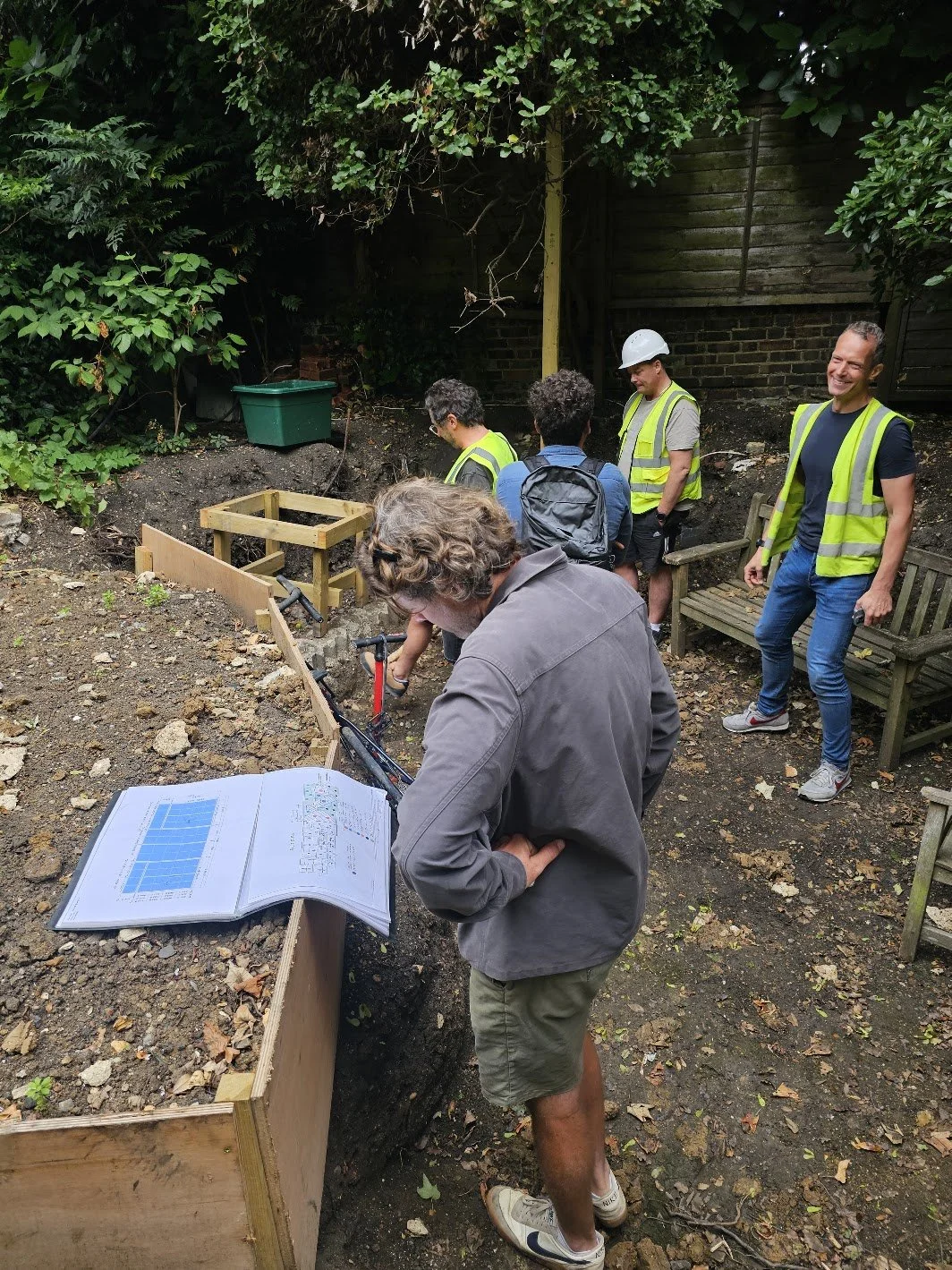
The Implementation Phase keeps the design closely connected to what is being built. Through site visits, specialist coordination, planting setting out and selected sourcing, we help reduce delivery risk, resolve issues before they become costly, and ensure that important details are not diluted as the garden takes shape.
Conditions on site inevitably reveal things that drawings cannot fully predict. Levels shift, materials behave differently, plants arrive with their own character, and practical constraints emerge. Our role is to respond creatively and pragmatically — finding solutions that protect the design, manage cost intelligently and help the project team make good decisions in the moment.
For the client, this creates greater confidence that the investment made in the design is carried through into the finished landscape, with continuity between the masterplan, the technical design and what is ultimately built.
What this stage may include
Site visits, design review during construction, planting setting out, selected sourcing and procurement support, specialist coordination, guidance on design decisions arising during implementation, and access to trade pricing where available.
Returning
A garden does not stand still once construction finishes. It settles, grows, surprises and occasionally needs correction.
The Curation Phase provides ongoing support as the landscape matures. Through review visits, care guidance and liaison with gardening or maintenance teams, we help protect the structure, planting and character of the design over time, while responding to the way the garden is actually being lived in.
This is partly practical: identifying where planting needs adjustment, where maintenance should change, where a material or feature requires attention, or where a new opportunity has emerged. It also allows the garden to continue developing rather than simply being maintained in the condition in which it was handed over.
For us, returning is also about continuity. The strongest gardens accumulate memory and meaning as they mature. By remaining connected to the client and the place, we can help preserve the original story of the garden while allowing it to deepen, evolve and become increasingly its own.
What this stage may include
Periodic review visits, care and stewardship guidance, liaison with gardening and maintenance teams, planting review and adjustment, and advice on the garden’s longer-term development.
Selected Consultancy & Strategic Landscape Advice
Not every project requires a full design commission.
We undertake selected consultancy and strategic landscape work where focused design judgement can unlock a project, clarify priorities or help shape a longer-term direction. This might involve reviewing an existing landscape, testing the potential of a site, advising on future investment, or helping a client, estate, business or organisation think more clearly about how a landscape should develop over time.
The value lies in bringing together creative judgement, practical experience and a long-term strategic view. We look for the inherent strengths of the place, identify where change could have the greatest impact, and help distinguish between what should be protected, improved, reconsidered or left alone.
The result is clear, independent direction that can inform future design, investment or stewardship without requiring an initial full landscape appointment.
What this consultation may include
Site and landscape review, strategic design advice, development priorities, spatial and visual opportunities, long-term landscape direction, planting and stewardship considerations, review of existing proposals, and guidance on where further specialist or design input may be most valuable.